Surgeries

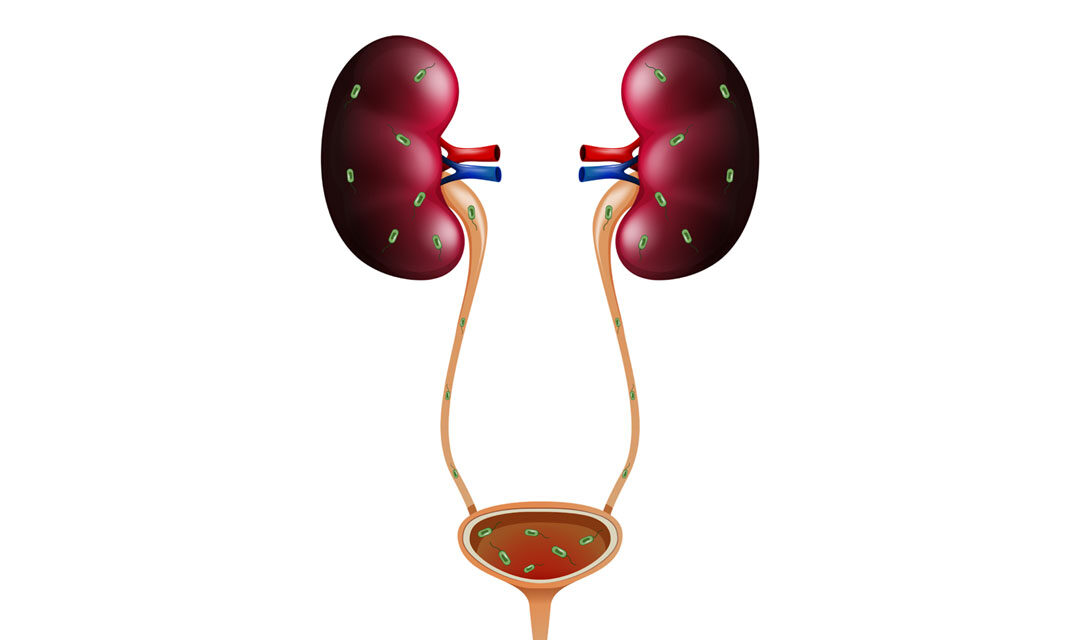
Restoring proper urinary flow from the bladder to the ureter is essential in conditions like reflux, strictures, or surgical injuries. Robot Assisted Ureteric Reimplantation allows this to be done with exceptional accuracy. With extensive experience, Dr. Swapnil Singh performs this minimally invasive reconstruction using robotic 3D visualization to precisely reattach the ureter at an optimal position. This enhances long-term drainage and reduces recurrence of obstruction. The approach significantly reduces postoperative pain, blood loss, and scarring, making recovery quicker and more comfortable. Robotic assistance is especially helpful in complex reconstructions where delicate suturing is required. Patients benefit from a safe, effective, and durable solution for ureteric problems, guided by Dr. Swapnil Singh’s commitment to precision in reconstructive urology.
Robot Assisted Pyeloplasty is a highly effective treatment for ureteropelvic junction (UPJ) obstruction, a condition in which urine flow from the kidney to the ureter becomes blocked. Using robotic precision, Dr. Swapnil Singh reconstructs the narrowed segment to restore normal drainage. The technique offers minimal scarring, reduced postoperative pain, and excellent long-term success rates. The robotic system allows detailed visualization of the renal pelvis and ureter, helping preserve surrounding blood supply and tissues. Patients often return to normal activities sooner compared to open surgery. Robot Assisted Pyeloplasty is especially beneficial for both congenital and acquired UPJ obstructions. With Dr. Swapnil Singh’s expertise, patients receive a highly refined surgical approach that ensures durable relief from symptoms like flank pain, recurrent infections, or hydronephrosis.

In select cases of penile or lower-urinary-tract cancers, lymph node removal becomes crucial for accurate staging and disease control. Robot Assisted VEIL (RA-VEIL) allows this to be performed through minimally invasive techniques. Under the guidance of Dr. Swapnil Singh, this procedure ensures meticulous removal of inguinal lymph nodes with significantly reduced morbidity compared to open surgery. Robotic assistance enhances precision, minimizes wound complications, and promotes quicker recovery. Patients typically experience less postoperative discomfort, lower infection risk, and better cosmetic outcomes. RA-VEIL provides excellent diagnostic information while helping prevent further cancer spread. Dr. Swapnil Singh uses a structured and safe technique to preserve vital structures, offering a more refined and patient-friendly alternative to traditional open lymph node dissection.

Robot Assisted Adrenalectomy is an advanced surgical technique used to remove adrenal tumors with minimal disruption to surrounding organs. The adrenal glands, located deep within the abdomen, require delicate handling, making robotic assistance particularly valuable. Dr. Swapnil Singh employs high-definition visualization and enhanced instrument control to ensure safe removal of both benign and malignant adrenal lesions. Patients benefit from smaller incisions, minimal pain, and rapid recovery. Robotic adrenalectomy is ideal for tumors such as pheochromocytomas, adrenal adenomas, and hormonally active growths. With precise dissection and reduced complications, this procedure enhances surgical outcomes while preserving patient comfort. Dr. Swapnil Singh tailors the approach to each patient’s hormonal and anatomical considerations, ensuring comprehensive and effective treatment.

For patients requiring urinary diversion after bladder removal, Robot Assisted Radical Cystectomy with Intracorporeal Ileal Conduit (RARC + IC) is a reliable and effective option. Using advanced robotic technology, Dr. Swapnil Singh performs bladder cancer removal along with creation of a conduit using a small segment of intestine. The entire surgery, including reconstruction, is carried out within the body, reducing wound-related complications and promoting faster recovery. This approach ensures accurate dissection, minimal blood loss, and stable long-term urinary drainage for patients who may not be suitable for neobladder reconstruction. Dr. Swapnil Singh focuses on oncological safety while ensuring the stoma formation is comfortable and easy for the patient to manage. RARC + IC offers predictable outcomes, shorter hospitalization, and improved postoperative quality of life.
Creating an entirely new bladder after radical cystectomy demands high surgical skill, and Dr. Swapnil Singh utilizes robotic assistance to perform this complex procedure with remarkable precision. RARC with intracorporeal neobladder reconstruction involves removing the cancerous bladder and forming a new bladder using the patient’s intestine—all performed inside the body through robotic techniques. This method minimizes incision size, reduces infection risk, and promotes quicker recovery. The robotic system offers clarity and control, which are essential for constructing a functional neobladder and ensuring urinary continence. Patients benefit from improved cosmetic results, early mobilization, and better postoperative outcomes. Dr. Swapnil Singh’s expertise in robotic urinary reconstruction allows individuals with bladder cancer to regain a near-normal urinary function while ensuring excellent cancer management.

Robot Assisted Radical Nephrectomy is performed for kidney cancers that require complete removal of the kidney and surrounding tissues. With the precision offered by robotic technology, Dr. Swapnil Singh ensures accurate dissection and minimal trauma to surrounding organs. This approach offers all the advantages of minimally invasive surgery—reduced blood loss, fewer complications, shorter hospital stay, and quicker recovery. The robotic setup provides superior dexterity, enabling safe ligation of renal vessels and precise removal of cancerous tissues. Radical nephrectomy may be recommended for large tumors or when partial nephrectomy is not feasible. Patients under the care of Dr. Swapnil Singh benefit from personalized surgical planning, effective cancer control, and enhanced postoperative comfort. The technique aims to eliminate the disease while maintaining the highest standards of safety and surgical excellence.
Partial nephrectomy surgery. Diseased swelling tissue surgical removal. Kidney-sparing surgical procedure. Tumor treatment. Flat vector illustration


Robot Assisted Partial Nephrectomy (RAPN), also called Nephron Sparing Surgery (RA-NSS), is a preferred method for removing kidney tumors while preserving as much healthy kidney tissue as possible. With extensive precision work, Dr. Swapnil Singh performs this surgery using robotic support to ensure complete tumor excision while maintaining optimal kidney function. The robotic system provides high-definition visualization and ensures control of delicate structures like blood vessels and collecting systems. This minimally invasive approach reduces complications, postoperative pain, and hospital stay, offering a superior alternative to open surgery. RAPN is especially valuable for small or moderately sized kidney tumors, allowing long-term kidney preservation and excellent oncological outcomes. Dr. Swapnil Singh prioritizes careful tumor margin clearance to minimize recurrence risk and safeguard overall renal health.

For men struggling with severe benign prostatic hyperplasia (BPH), Dr. Swapnil Singh offers Robot Assisted Simple Prostatectomy (RASP) as an advanced surgical solution. This technique is recommended when the prostate is significantly enlarged and less invasive procedures may not provide adequate relief. By using robotic assistance, the surgeon removes the inner obstructing part of the prostate with remarkable accuracy. The enhanced visualization and precision help preserve important surrounding structures while ensuring effective removal of excess tissue. RASP allows quicker recovery, less bleeding, and greater symptom improvement, making it ideal for patients with large prostate glands. Most individuals experience substantial relief from urinary difficulties and improved bladder emptying shortly after the procedure. With Dr. Swapnil Singh’s expertise in robotic urology, patients benefit from a safer and more efficient treatment experience.

Robot Assisted Radical Prostatectomy (RARP) is a highly advanced surgical approach used for treating early-stage and localized prostate cancer. Under the expertise of Dr. Swapnil Singh, this minimally invasive procedure utilizes robotic technology to achieve exceptional precision during prostate removal. The robotic system offers magnified 3D visualization and enhanced dexterity, which significantly reduces trauma to surrounding nerves and tissues. Patients often experience quicker recovery, minimal blood loss, and better urinary continence outcomes compared to traditional open surgery. Dr. Swapnil Singh focuses on nerve-sparing techniques whenever possible to help preserve sexual function. RARP is especially beneficial for patients seeking faster return to normal activities and improved postoperative comfort. With smaller incisions and superior control, it stands among the most effective treatments for eligible prostate cancer patients.